PAVE.gov.pk
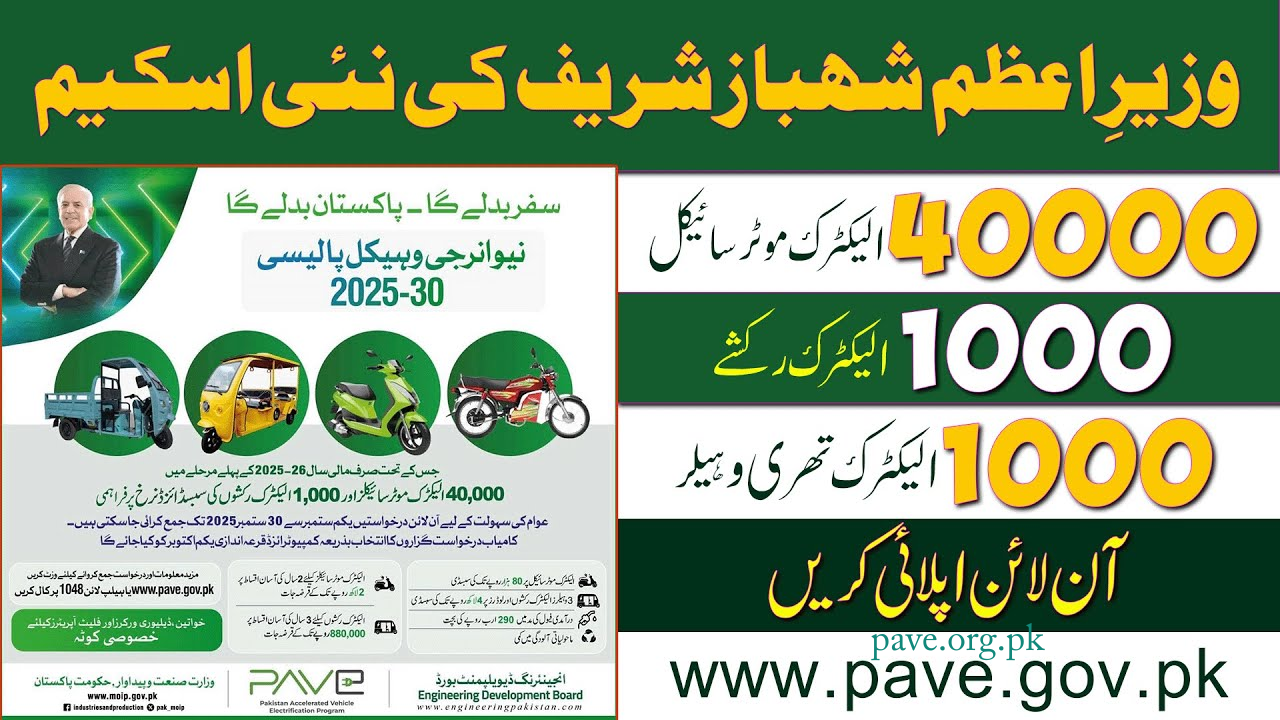
The Government of Pakistan has officially launched the Pakistan Accelerated Vehicle Electrification (PAVE) Program 2026, a milestone initiative designed to promote electric mobility across the country. Under this scheme, thousands of citizens will receive electric motorcycles, rickshaws, and light commercial vehicles at subsidized prices.
The core aim of the program is to reduce fuel imports, control environmental pollution, and create new job opportunities in the green energy sector. Through this project, Pakistan is taking an important step toward its Clean and Green Energy Vision 2030.
Latest Govt Scheme Updates 2026
The 8171 validation online check is a trusted and official system introduced to help deserving families confirm their eligibility for…
Continue Reading 8171 Validation Online Check – How to Verify Your Eligibility Easily 2026

The Punjab Dhee Rani Program 2025 is one of the most important welfare schemes started under the leadership of Chief…
Continue Reading Today Update: Punjab Dhee Rani Program: How To Apply Online and Get Financial Help

The Government of Punjab, under Chief Minister Maryam Nawaz Sharif, has launched CM Punjab Livestock Card Phase 2 (2025) to…
Continue Reading Today Update: How to Apply Online for Punjab Livestock Card Phase 2

The BISP 8171 October–December 2025 Payment has been released by the Government of Pakistan to help low-income and deserving families.…
Continue Reading Today Update: BISP 8171: How To Check Your Rs 13,500 Online by CNIC

The Punjab Green Tractor Scheme 2026 is Pakistan’s largest initiative to support farmers in Punjab with modern, subsidized tractors. This…
Continue Reading Today Update: Punjab Green Tractor Scheme 2026 – Online Apply Guide
The BISP Wallet Activation 2025 system helps women receive their BISP payments safely through a free Telenor SIM linked to…
Continue Reading Today Update: How To Receive And Activate Your BISP SIM

If you are searching how to register for PSER for Rashan Card 3000 per month, you’re in the right place.…

Two-Day Public Holiday Announced for 2026 The government of Pakistan has officially announced that 2026 will be a nationwide public…

The BISP 8171 Payment 2026 update has brought a major change in the Benazir Income Support Programme (BISP) system across…
Continue Reading Latest Update: How to Collect BISP 8171 Payment 2026 After Camp Sites Closure
Are you planning to apply online for new domestic gas connection in October 2026? The Sui Northern Gas Pipeline Limited…

The Government of Pakistan has announced a major update for private-sector employees through the EOBI Pension 2025 plan. The proposal…
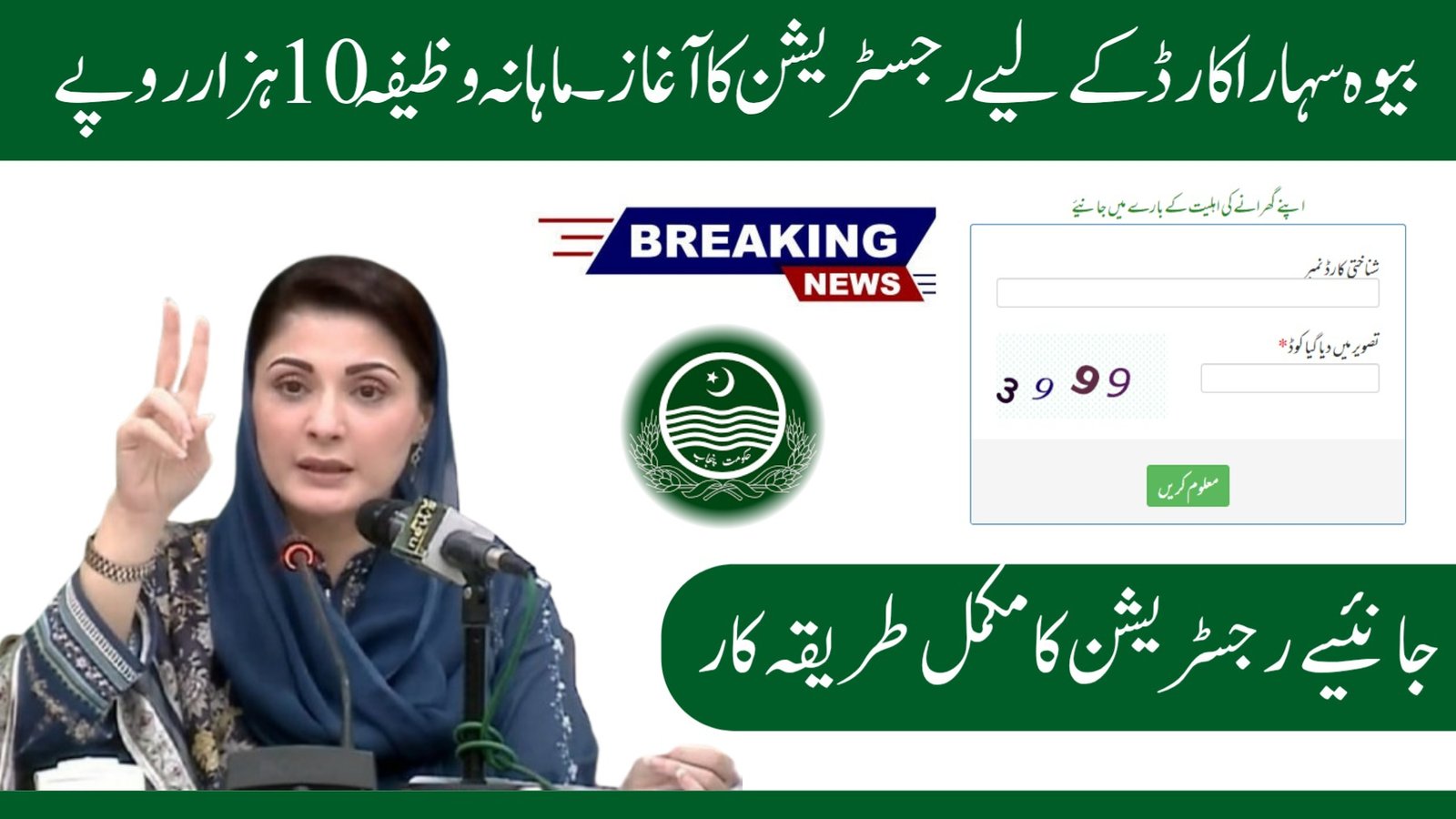
The Punjab Government has launched the CM Punjab Bewa Sahara Card Scheme 2026 to provide monthly financial assistance to widows across…
Continue Reading Today Update: CM Punjab Bewa Sahara Card Scheme 2026 – Registration and Benefits
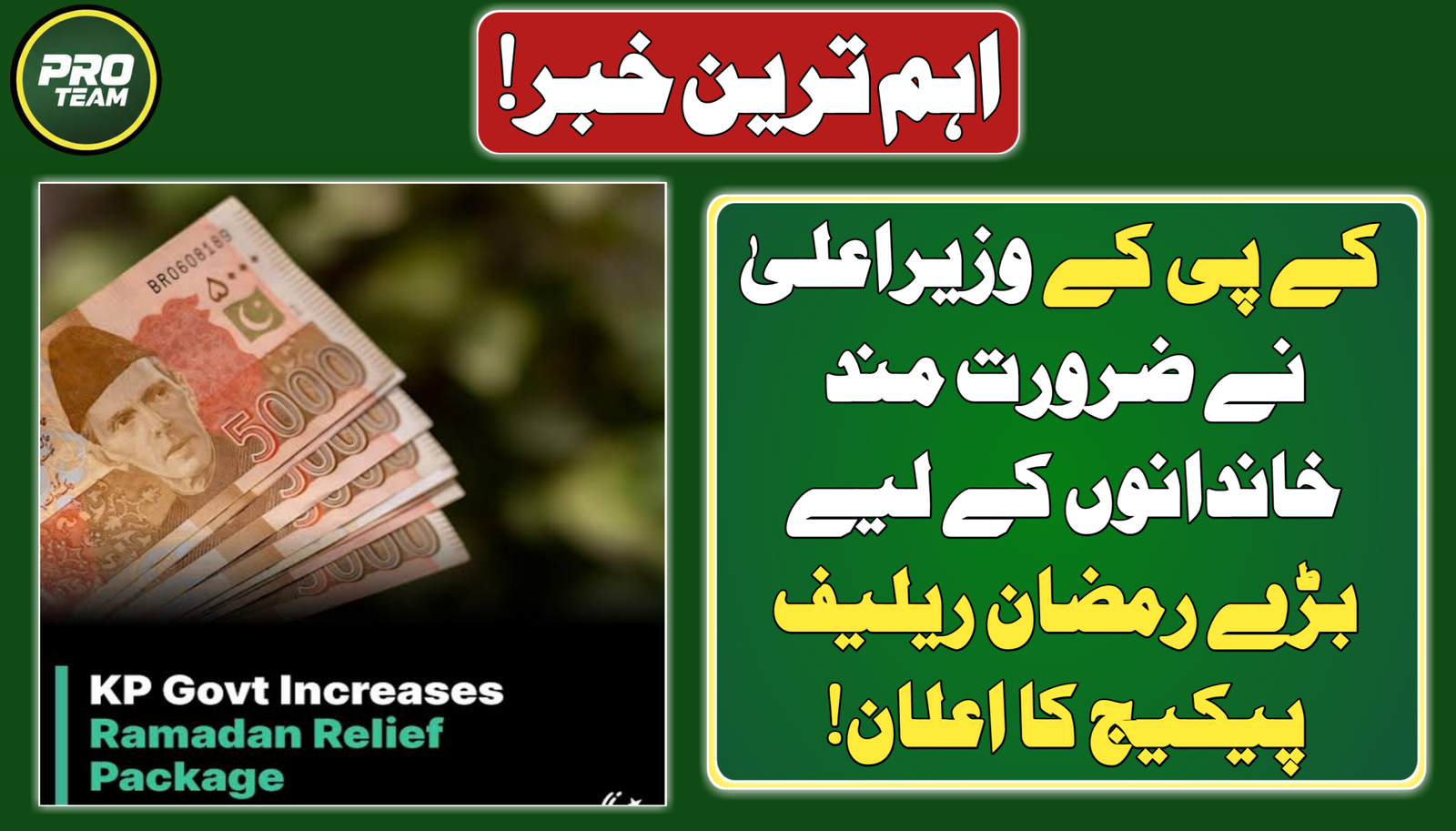
Chief Minister Khyber Pakhtunkhwa has officially chaired a high-level meeting to finalize the huge Ramadan Relief Package for the province.…
Continue Reading Good News! KP CM Announces Huge Ramadan Relief Package 2026 for Needy Families

The Punjab E-Taxi Scheme 2026 has finally started and thousands of people are searching for the requirements to apply. If…
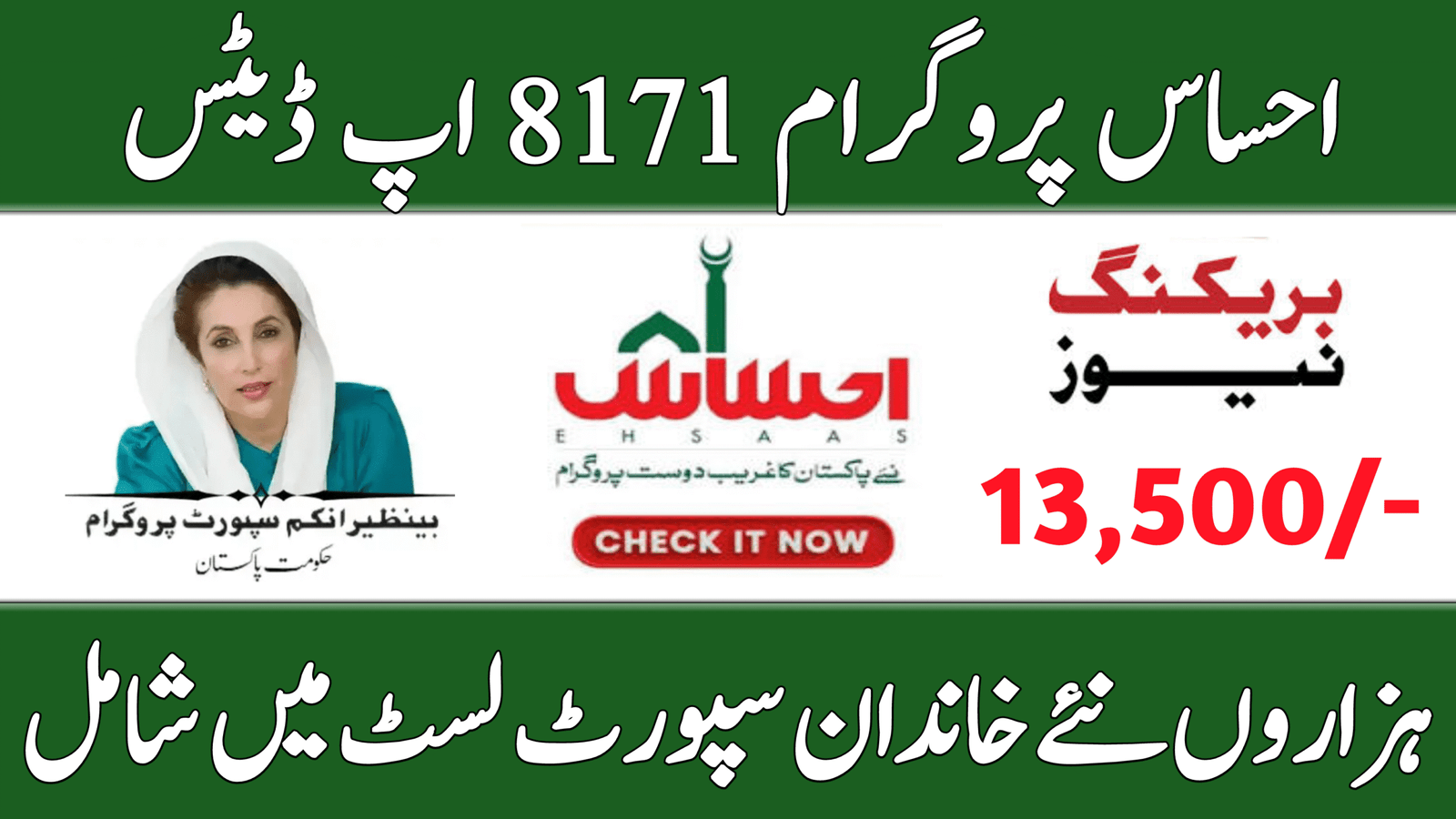
The Government of Pakistan has officially added thousands of new families to the Ehsaas 8171 2026 beneficiary list. Ehsaas Program…
Continue Reading Ehsaas Program 8171 Updates 2026 / Thousands of New Families Added to Support List
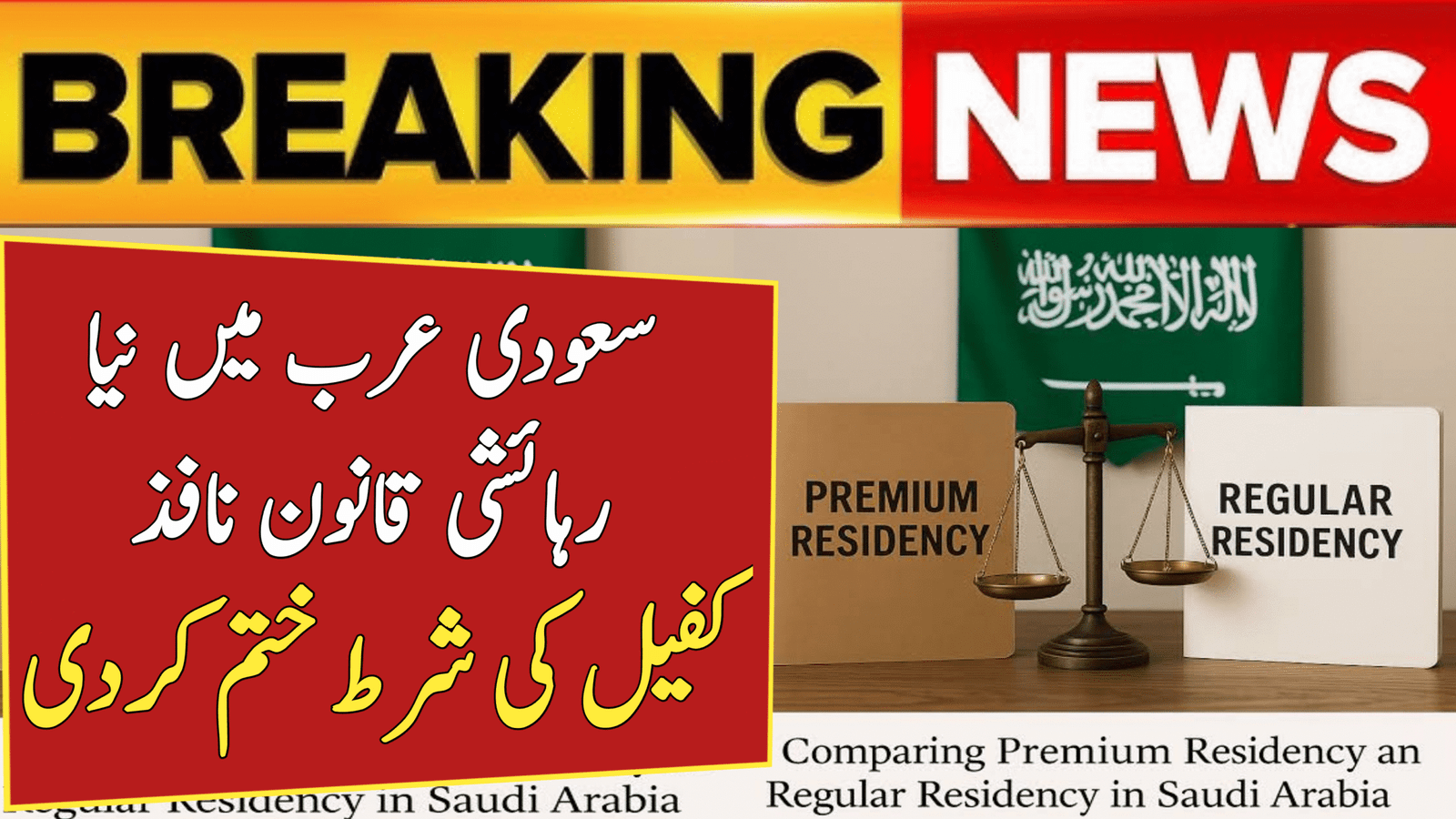
New Saudi Arabia Law Ends Kafeel Requirement for Premium Residency Program, which includes details about fees, benefits, and the new…
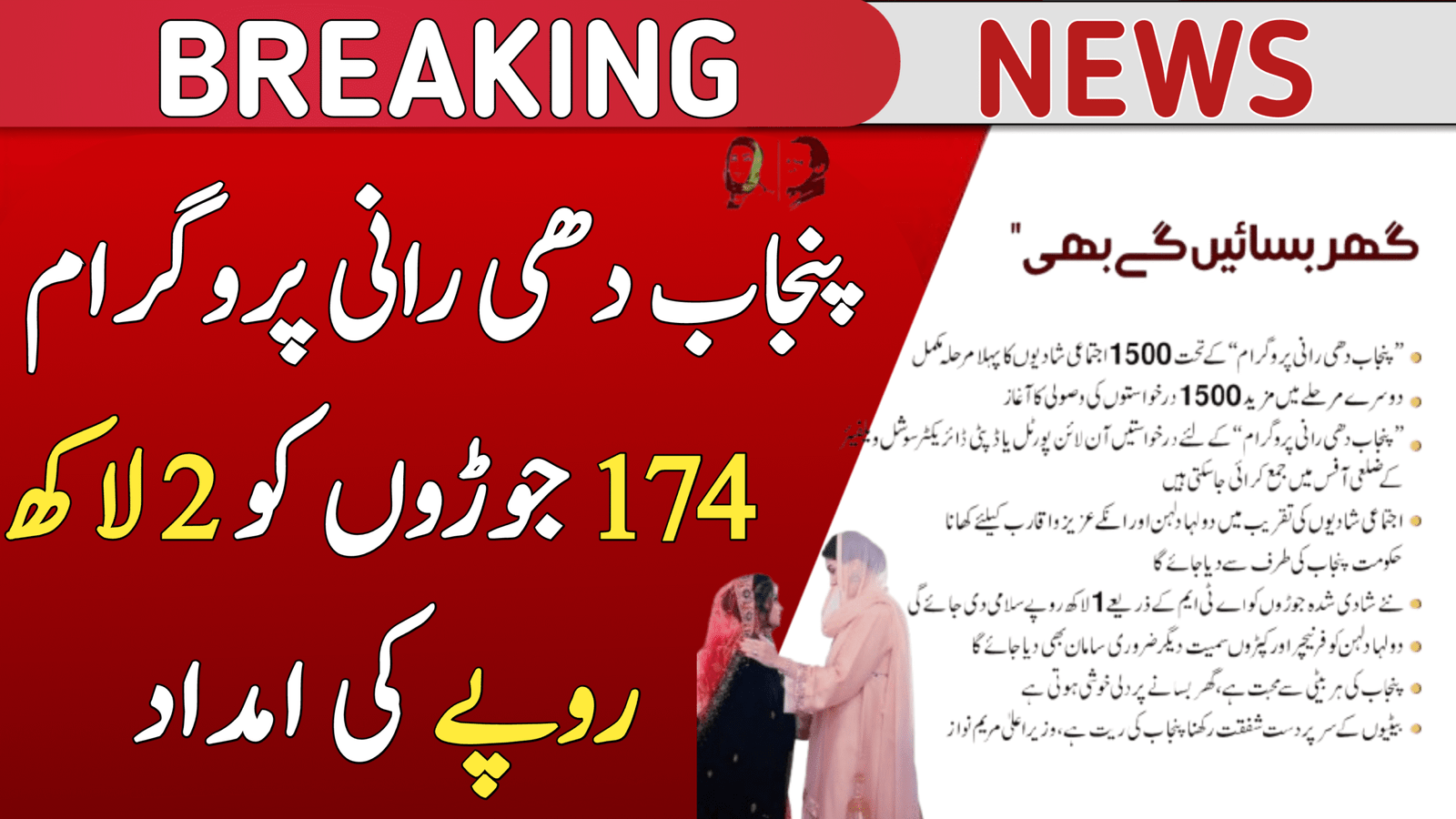
In Bahawalpur, under the Punjab Dhee Rani Program, a grand mass marriage ceremony was organized where 174 deserving couples tied…

The Punjab government has taken another big step to support poor families by launching the Maryam Nawaz Rashan Card Scheme…
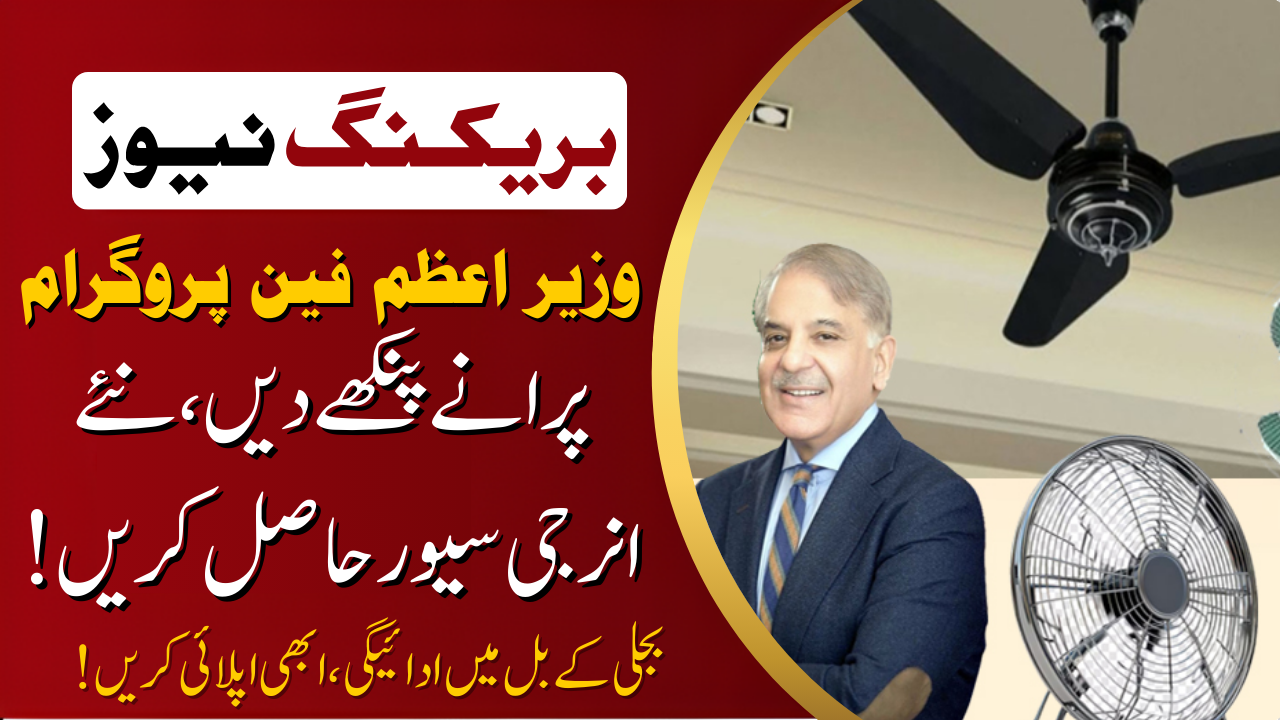
Prime Minister Shehbaz Sharif has officially launched the Prime Minister’s Fan Replacement Program, a revolutionary initiative designed to slash your…
Continue Reading Good News! How to Apply for Prime Minister’s Fan Replacement Program 2026

Breaking News: BISP 8171 New Payment Method 2026 – Direct Bank Transfer and Mobile Wallets Explained
The Benazir Income Support Program has officially announced a BISP 8171 new payment method for 2026, making it easier and…
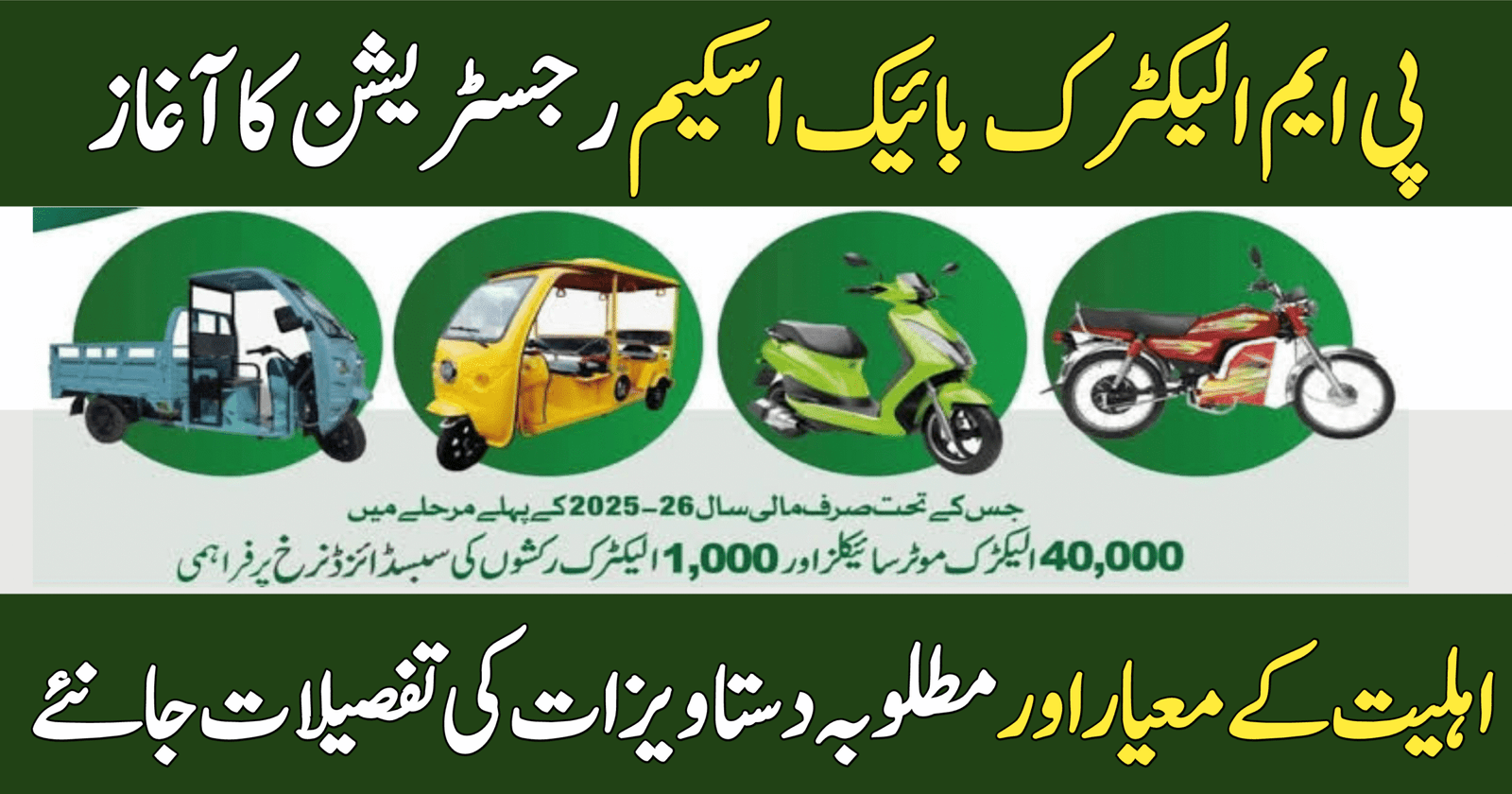
The PM Electric Bike Scheme 2026 has officially started, bringing big relief for students and young people in Pakistan. Rising…
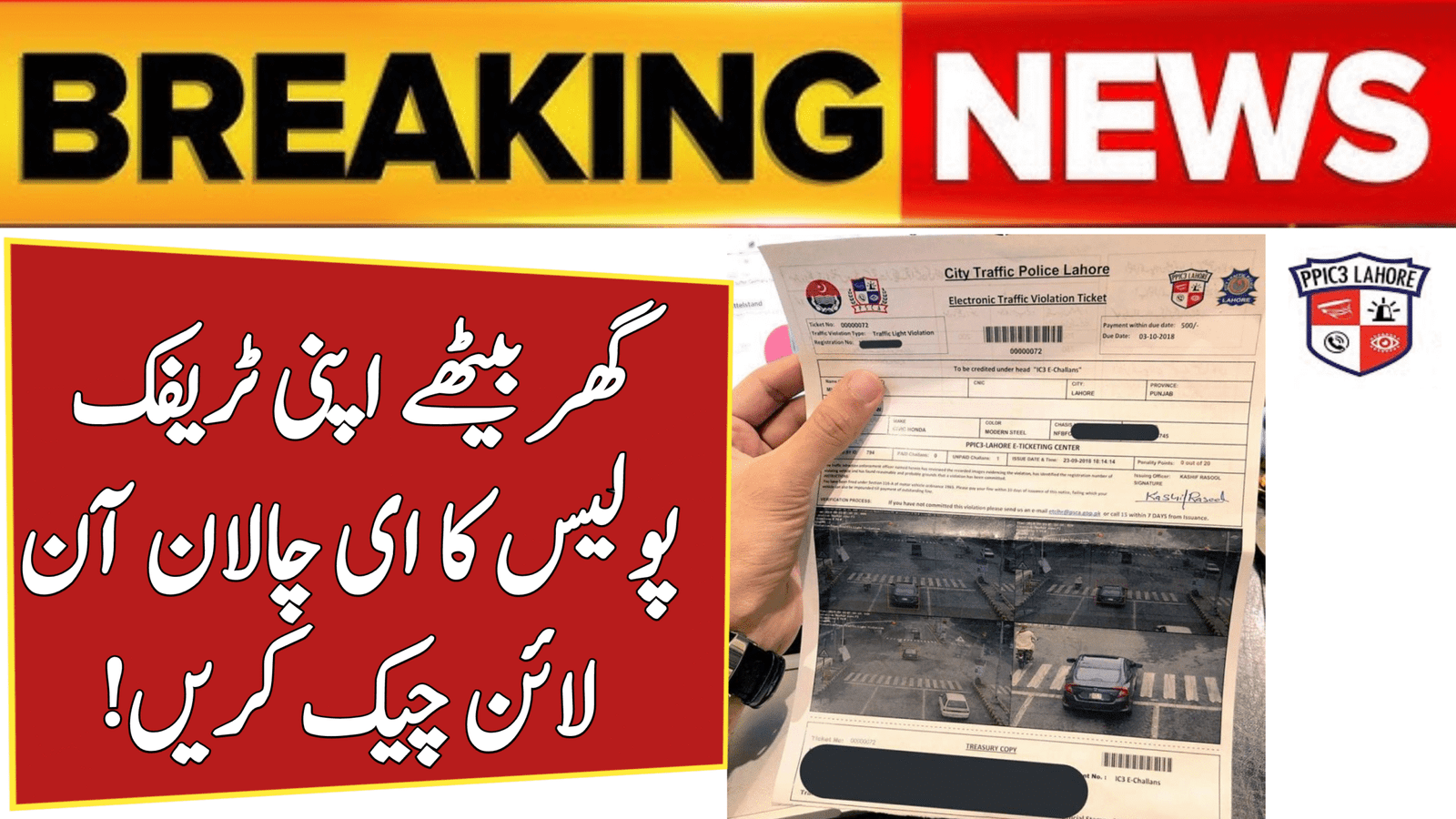
If you live in Lahore and want a quick way to check your Traffic Police E Challan online, the good…
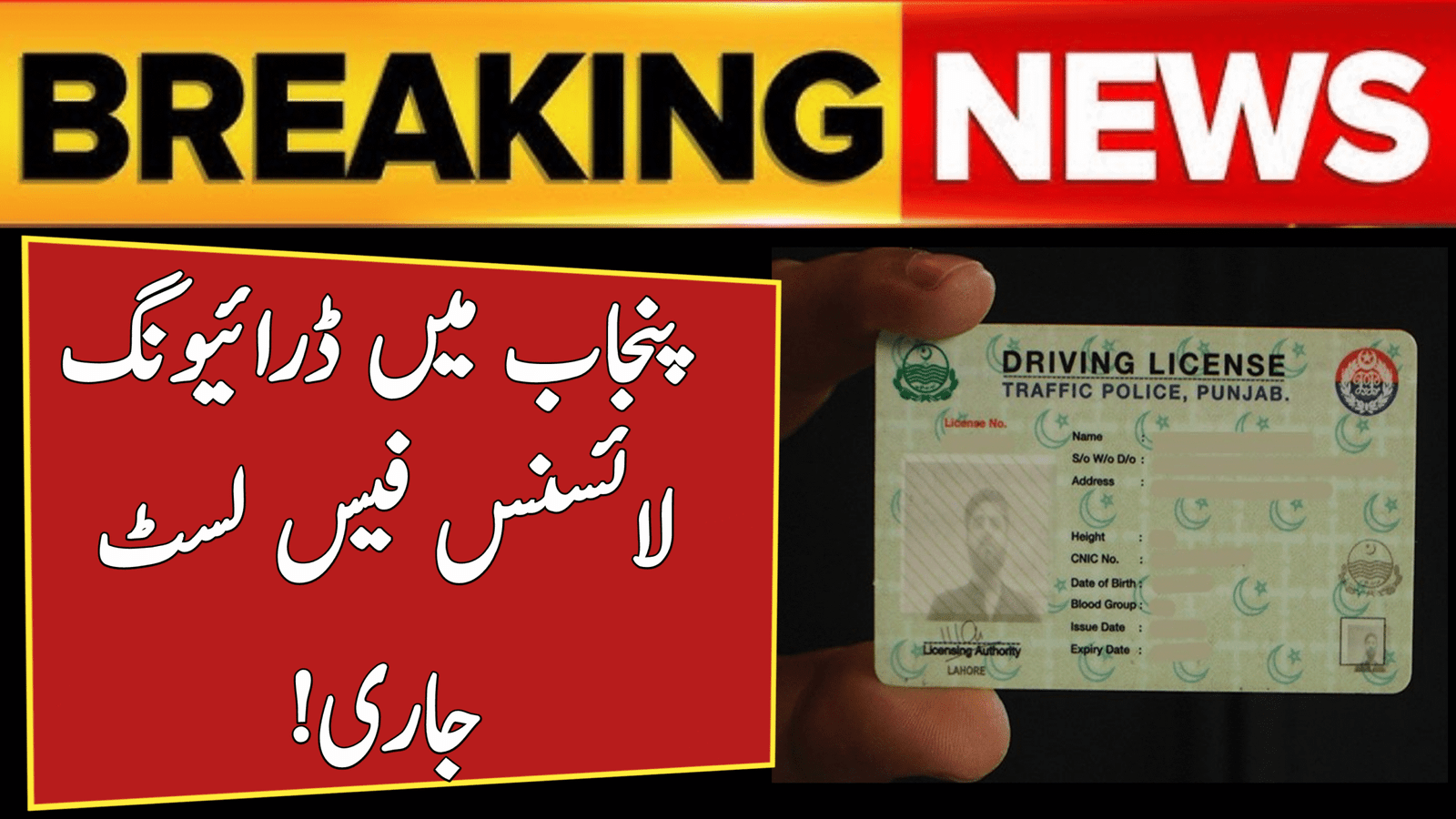
A driving license in Punjab has become easier than before, but many people still find the process confusing. Whether you…

In this article, we are sharing all the details about the PAVE Vehicle Scheme Account Creation Issues and How to…
Continue Reading PAVE Vehicle Scheme Account Creation Issues and How to Fix Them 2026
Gold Price Forecast Pakistan Gold prices in Pakistan are showing signs of renewed strength as November 2025 unfolds. After a…
Continue Reading Gold Price Forecast Pakistan – November 2026 Outlook

Punjab Rashan Card Registration 2025 has officially started through the PSER door-to-door survey. The Government of Punjab, under the leadership…

Gold prices in Pakistan today 2025 are the most searched topic in the market as people want to know the…
Continue Reading Gold Prices in Pakistan Today November 2026 – Latest Market Updates
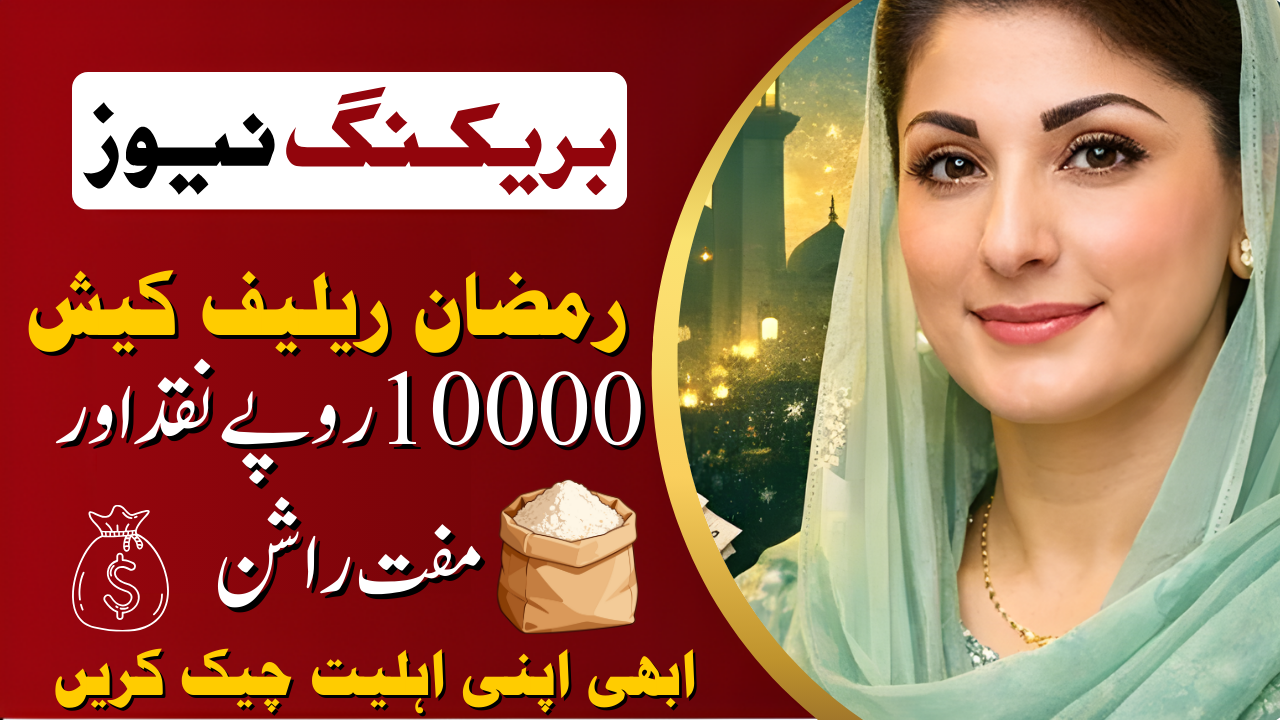
Need urgent support for Ramadan? The Punjab Government has just launched the Ramzan Relief PSER 2026 package, offering Rs. 10,000…
Continue Reading Fresh News! How to Apply Online for Punjab Ramzan Relief 10000 Cash Program 2026

Is your family registered for the Punjab Nigehban Program? Time is running out fast! The last date to complete your…
Continue Reading Good News! Last Date for Nigehban Program Registration 2026
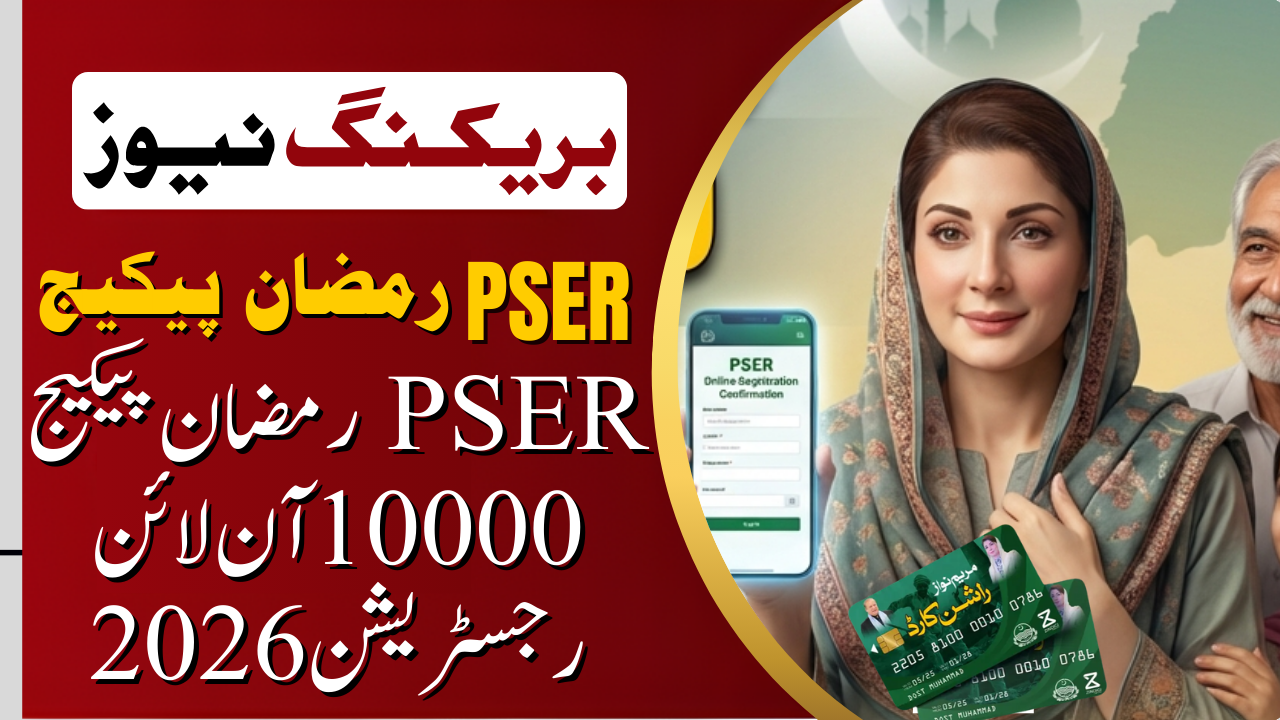
Ramzan Relief Package 2026 The Ramzan Relief Package 2026 is a special welfare initiative by the Government of Punjab to…
Continue Reading 8070 Online Portal: Ramzan Relief Package 2026 Status, Eligibility & Complete Guide

Gold prices in Pakistan rise again after global market gains, creating fresh excitement among investors and buyers across the country.…
The Khyber Pakhtunkhwa government has officially approved a massive Ramadan Relief Package 2026, bringing a fori khushkhabri for over one…
Continue Reading Fresh News! KP Govt Increases Ramadan Relief Package 2026: Complete Guide
Despite government efforts to control prices, broiler chicken meat in Pakistan remains expensive. Official rates appear stable, but consumers in…
Continue Reading Broiler Chicken Prices in Pakistan Remain High Despite Official Stability

The Chief Minister of Punjab has officially unlocked the doors to a brighter future by launching the CM Punjab Honhaar…
Continue Reading Is Your Name on the Merit List? Check CM Punjab Honhaar Scholarship Status Today!
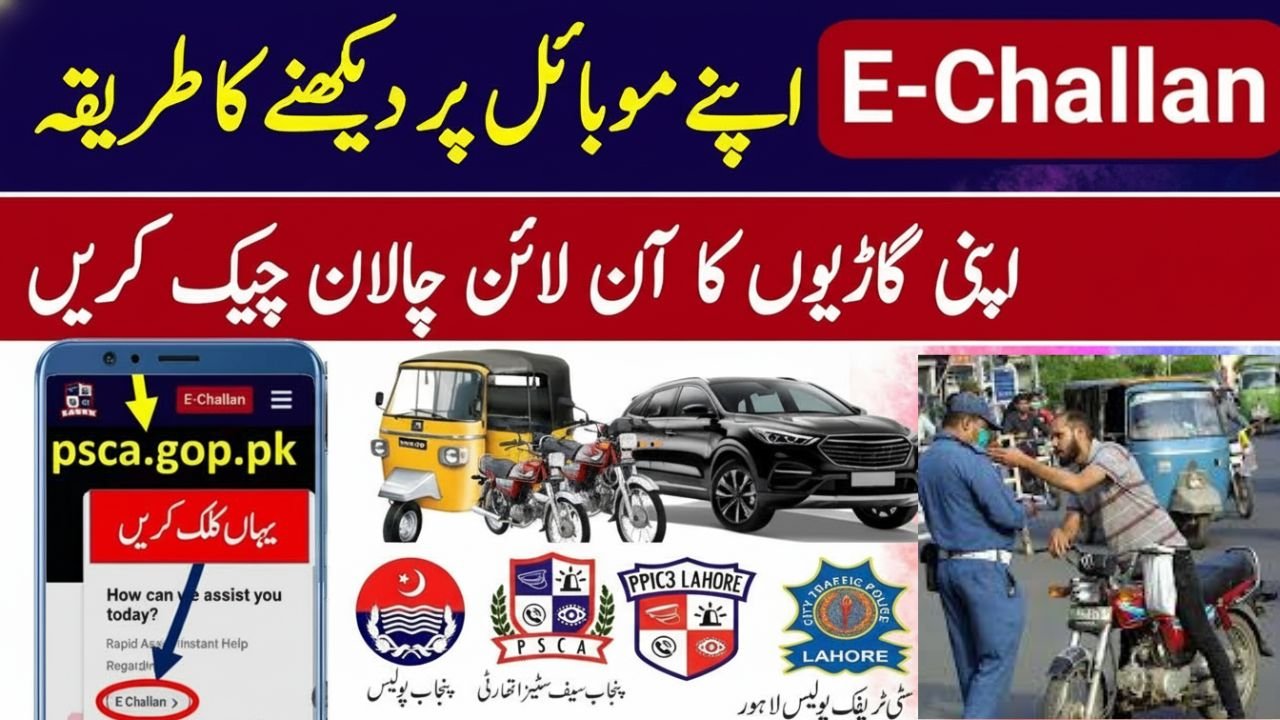
E-challan Check Lahore Have you ever suddenly discovered a pending traffic challan while renewing your vehicle documents? This happens to…
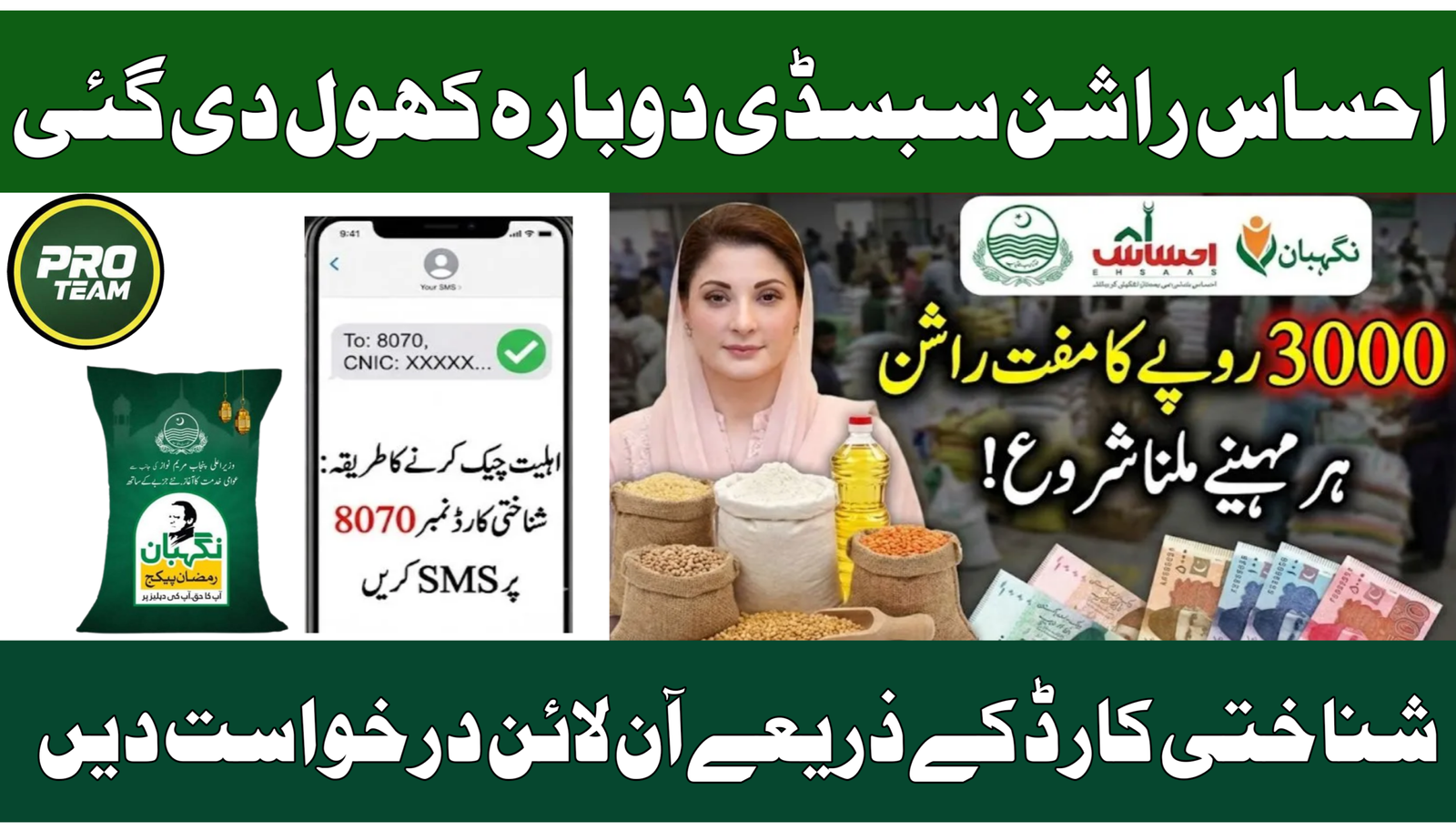
The Ehsaas Rashan Subsidy 2026 has officially been reopened by the Government of Pakistan to support poor and deserving families…
Continue Reading Ehsaas Rashan Subsidy 2026 Reopened – Apply Online via Negahban Card & CNIC Check
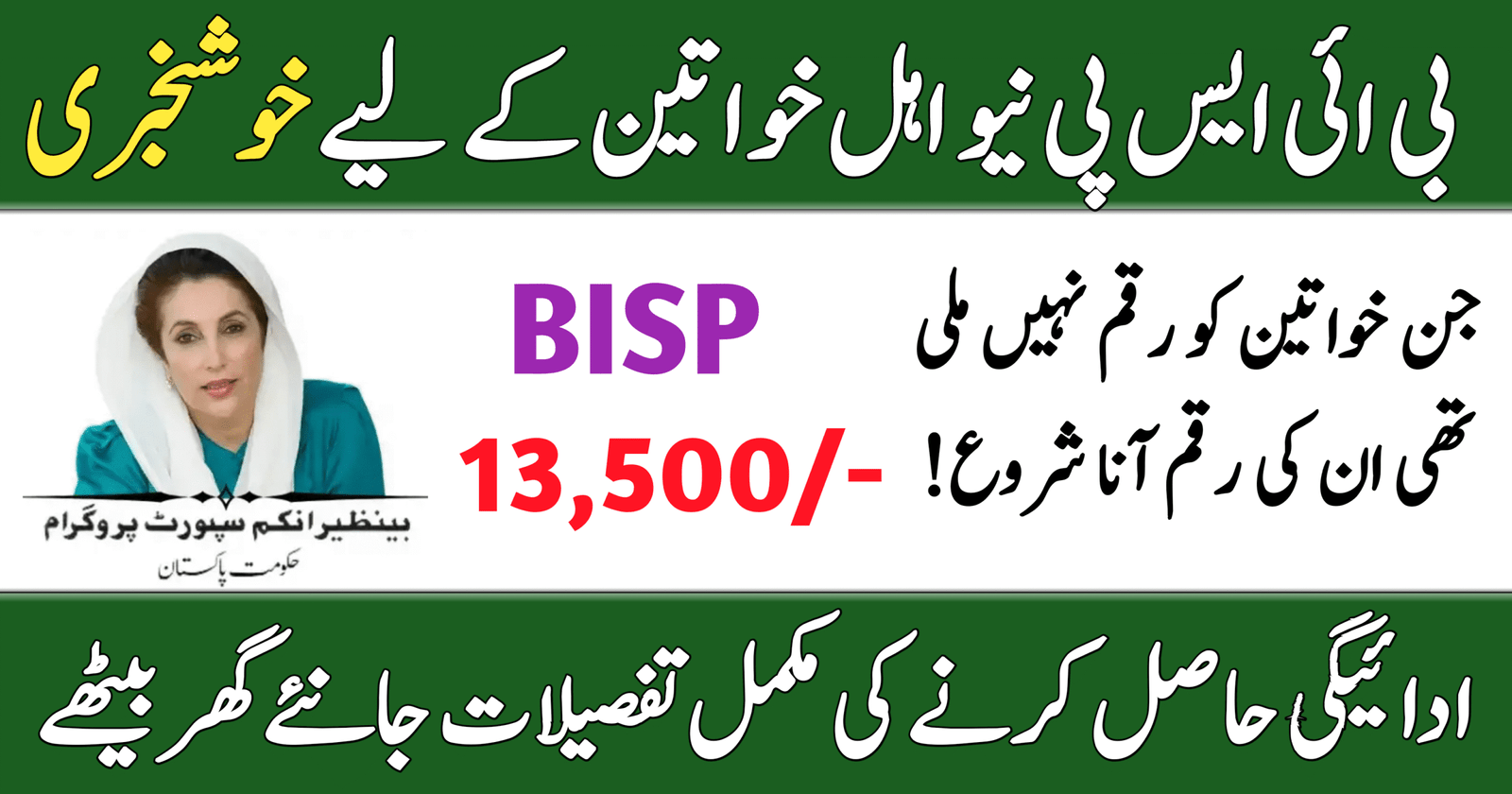
Recently, BISP issued notice on delayed payments for newly added beneficiaries, which created confusion among many women who had just…
Continue Reading Breaking News 2026: BISP Issues Notice on Delayed Payments for Newly Added Woman

The Punjab Workers Welfare Housing Scheme 2026 is a great opportunity for industrial and labor workers across Punjab to own…
Continue Reading Big Chance: Punjab Workers Welfare Housing Scheme Start 2026

Punjab Chief Minister Maryam Nawaz has officially launched the second phase of Green Tractor Scheme, under which 9,500 tractors will…
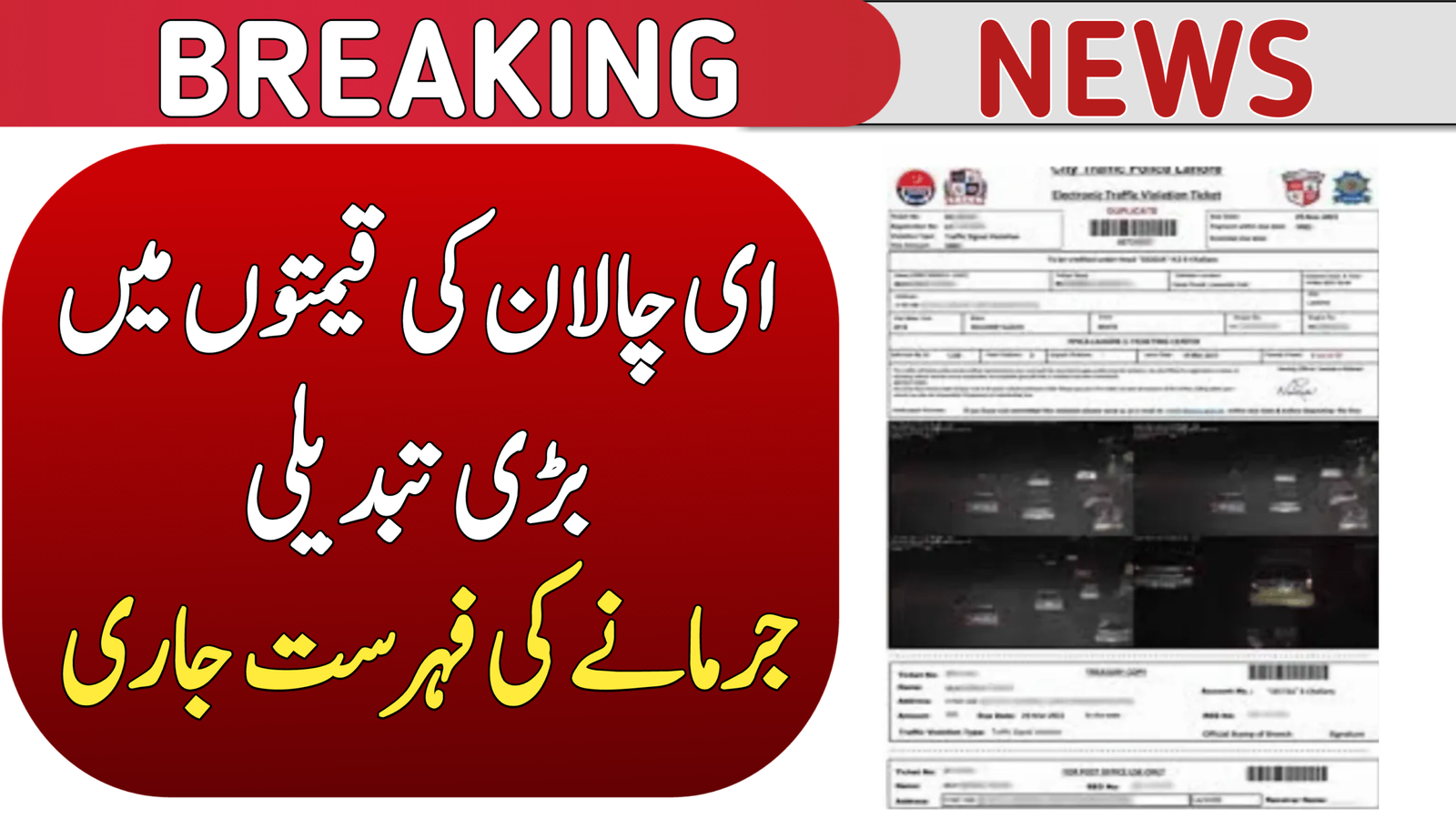
If you travel frequently on Pakistani roads, then the E-Challan Rates 2026 update is something you should know about. Traffic…
Continue Reading E-Challan Rates 2026 – Updated Fine List for Punjab, Sindh, Islamabad & Motorway
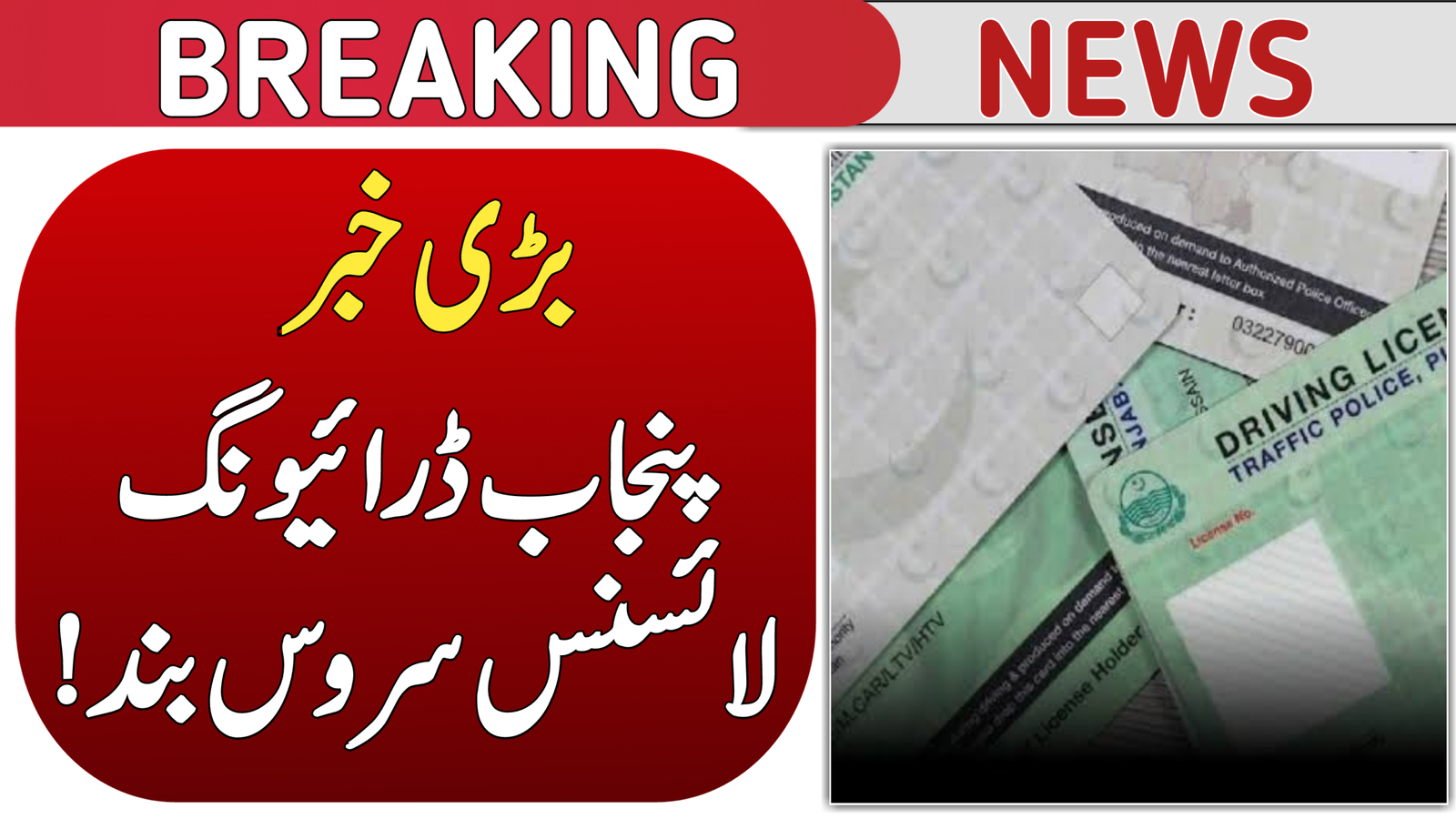
If you’re trying to apply for a driving licence these days, you’ve probably already noticed the issue. Punjab Driving License…

The Sindh Government Ramzan Package 5000 Registration 2026 has officially been announced to support low-income families during the holy month…

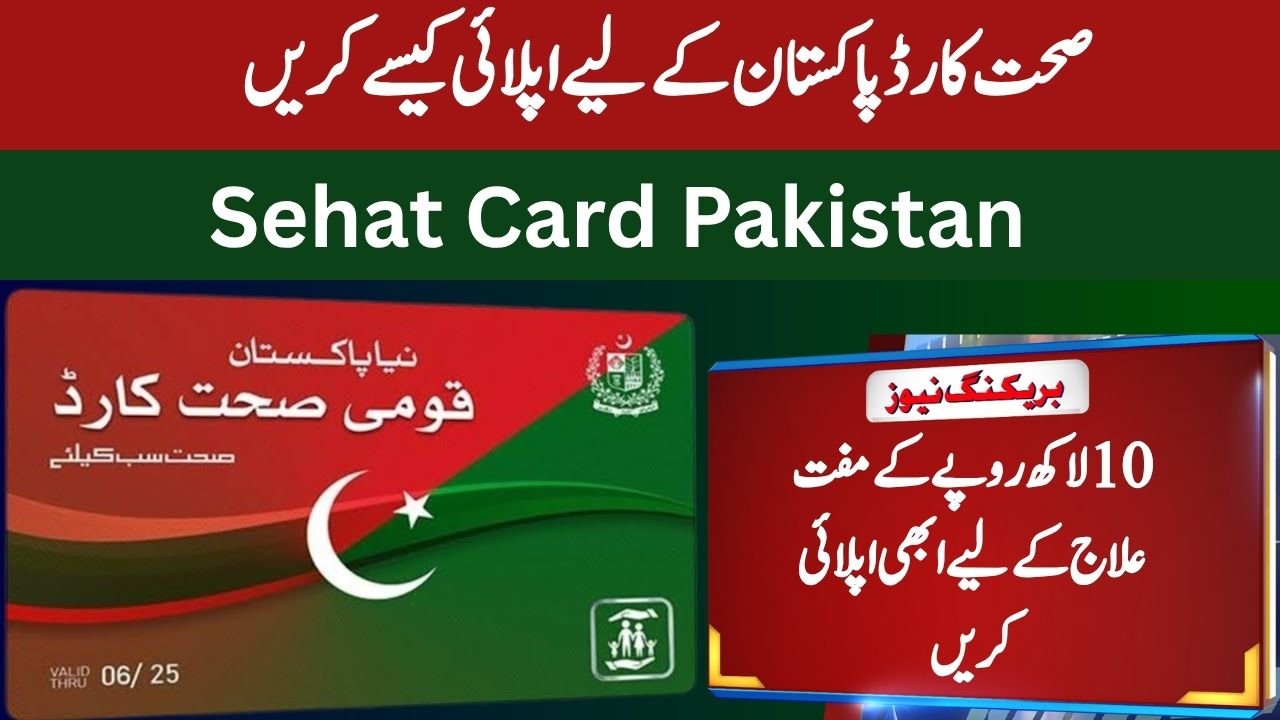
Sehat Card Pakistan The Government of Pakistan has launched an amazing health initiative called Sehat Card Pakistan 2025. This program…

If you have been searching for the latest petrol price in Pakistan, then today’s update is definitely for you. The…

Akhuwat Foundation Loan Program In 2026, the Akhuwat Foundation Loan Program continues to bring real change to the lives of…

BISP Hunarmand Program The BISP Hunarmand Program 2026 is one of the most important initiatives of the Government of Pakistan…
Continue Reading Big Update: BISP Hunarmand Program 2026 – Free Training Courses New Data Required
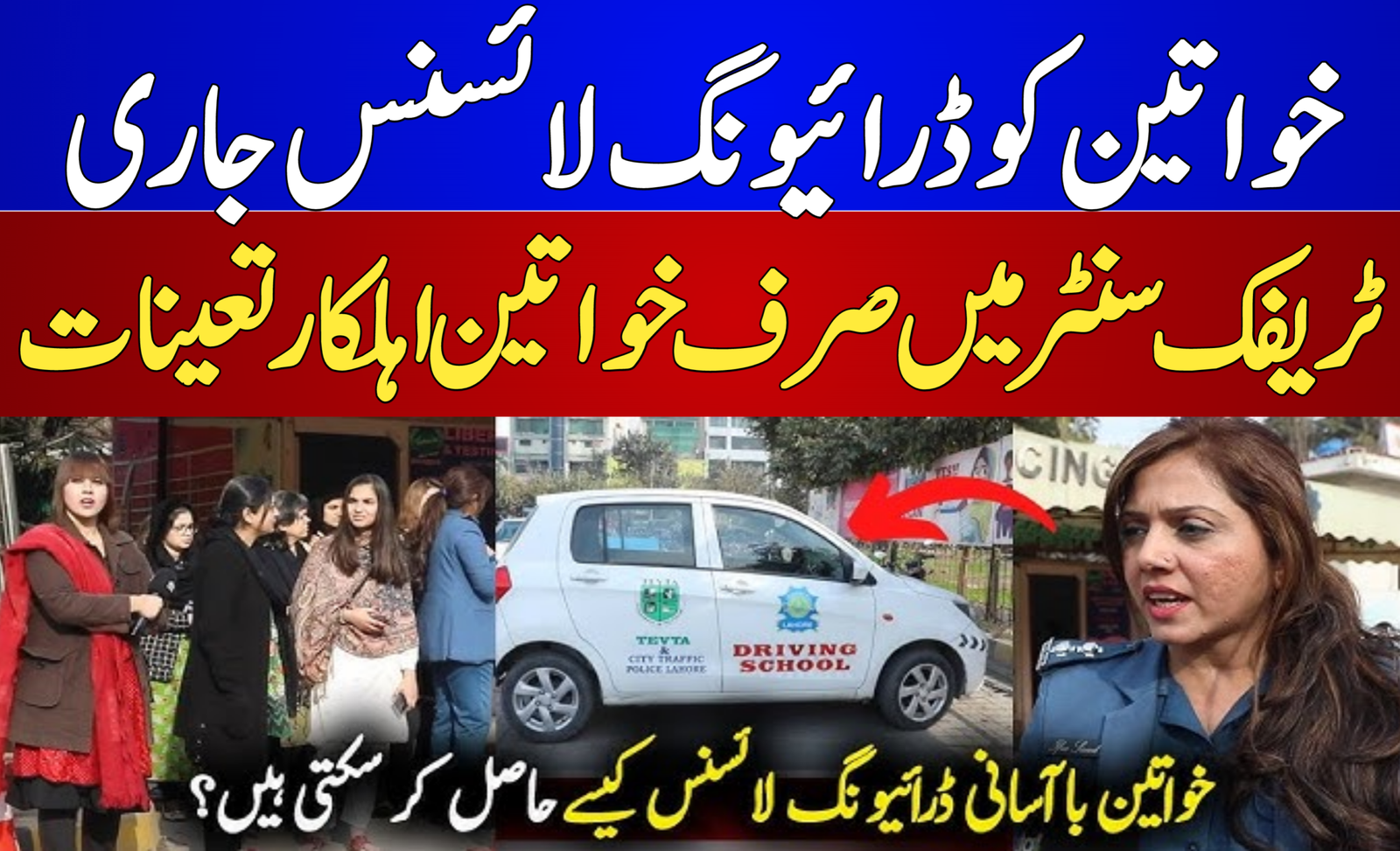
If you are searching for the female driving license application process in Punjab and want to know about the new…

Punjab Government has officially launched the E Taxi Punjab Gov PK Online Registration Login 2026 portal for drivers, students, and…
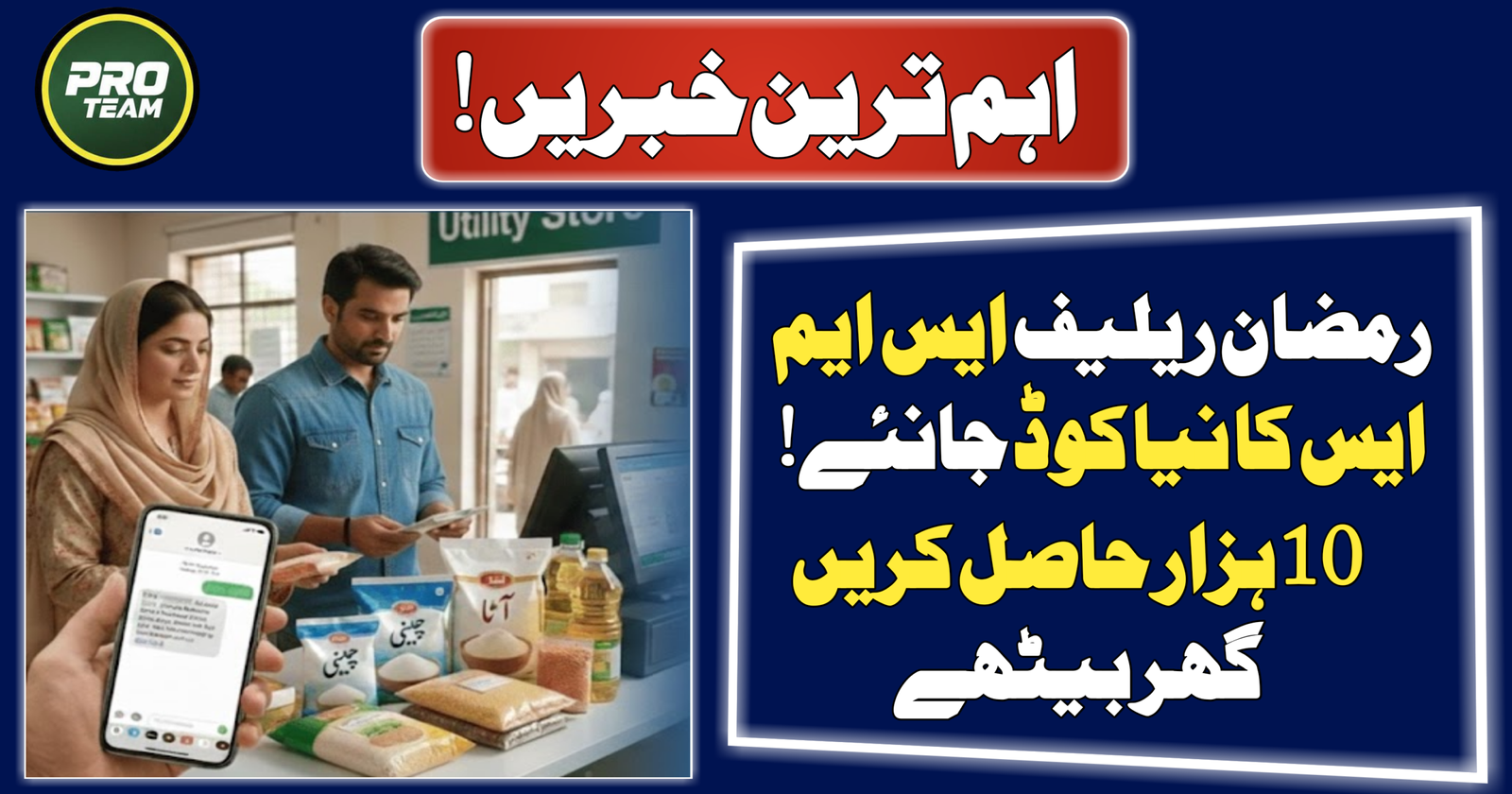
Are you confused about which SMS code to use for the Ramzan Subsidy this year? With the holy month approaching,…
Continue Reading 8070 vs 9999 Code Difference: Ramzan Relief SMS Codes in 2026

The Pakistan Accelerated Vehicle Electrification (PAVE) Scheme 2025 has finally been launched, and it is already making headlines across the…
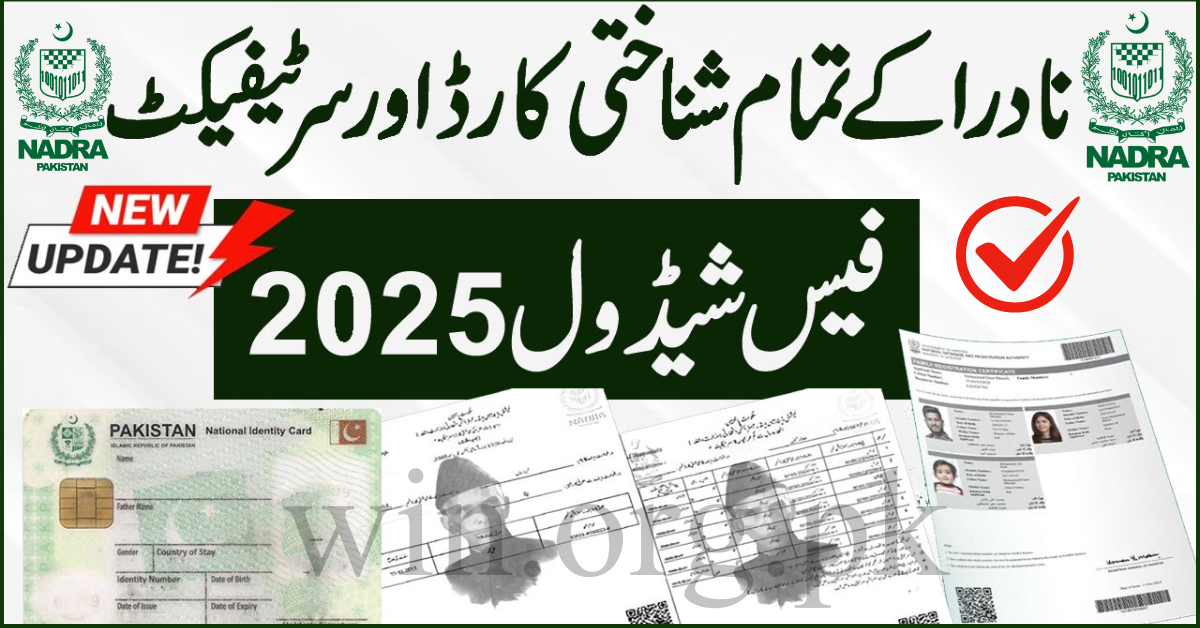
NADRA has released an important update in December 2025 regarding the CNIC fee structure and card collection policy. This update…
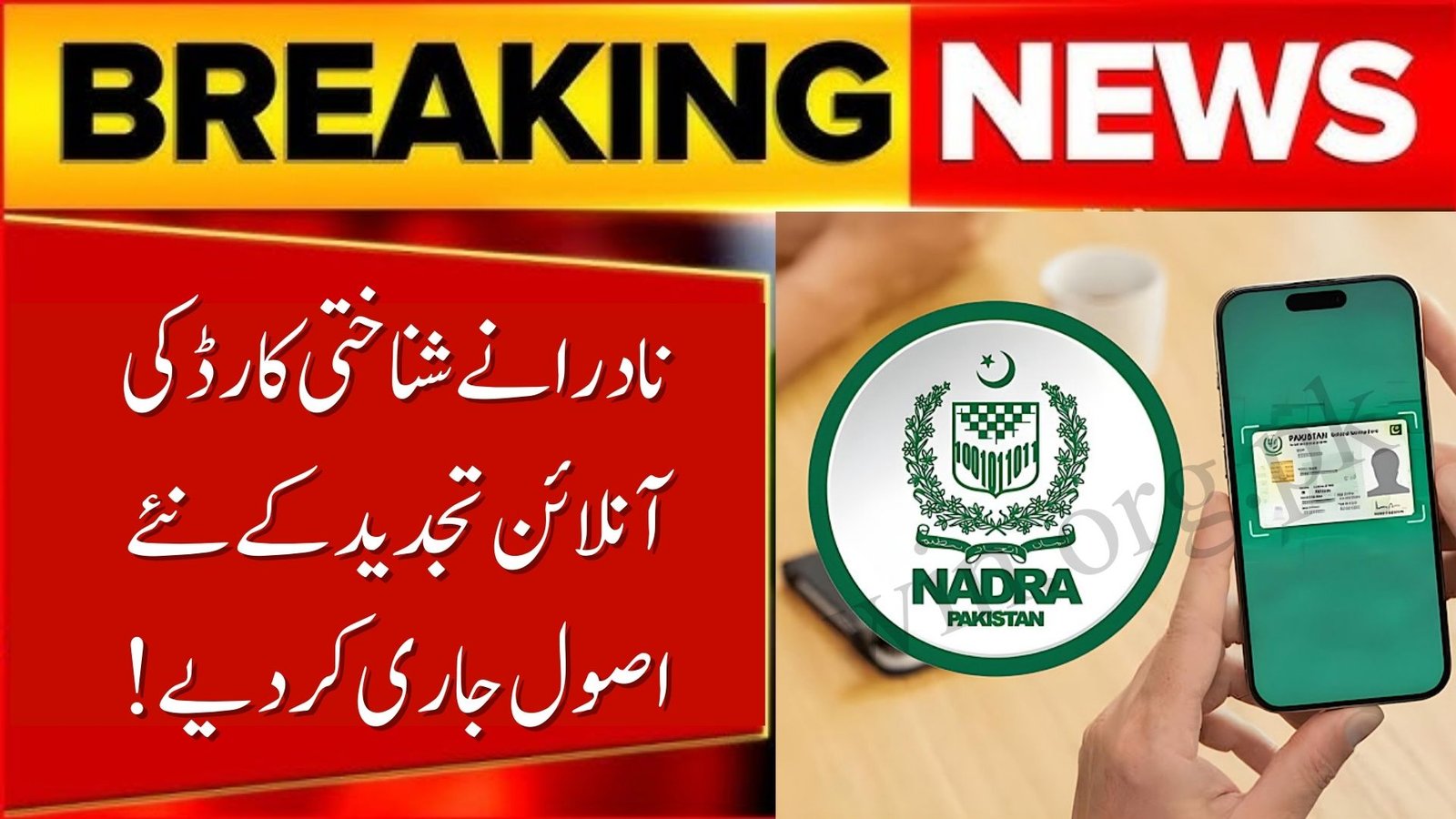
NADRA shares new updates for CNIC renewal via Pak ID app
Continue Reading Current News: NADRA shares new updates for CNIC renewal via Pak ID app
The Govt of Punjab Announces Latest Rescue 1122 Jobs 2026—Apply Online process has officially started for candidates across the province.…
Continue Reading Govt of Punjab Announces Latest Rescue 1122 Jobs 2026—Apply Online Before Deadline
If you are a young Pakistani dreaming of starting your own business or expanding your farm, the PM Youth Loan…
Continue Reading Get Your Own Business Started with the PM Youth Loan Scheme 2026

If you are searching how to apply for NADRA ID card online in Pakistan, then here’s the latest News 2026…

Owning a house in Pakistan has always been a dream for middle and low-income families. With property prices skyrocketing and…
Continue Reading New News: Govt Launches Mera Ghar Mera Ashiana Housing Scheme Today 2026
The CM Punjab Home Loan Scheme 2026 has been officially launched for middle and low-income families who dream of owning…

Owning a house is the biggest dream for every Pakistani family, but for low-income households, it often feels impossible. Property…
Continue Reading Today News: Apna Plot Apna Ghar Scheme 2026 How to Check Application Status AZAG
Asaan Karobar Finance Scheme Have you ever wanted to start a business but didn’t have the funds? The Asaan Karobar…
Continue Reading Now Get Asaan Karobar Finance Scheme 2026: Interest Free Loans up to 30 Million
Key Features of PAVE Program 2026
- Electric Motorcycles Distribution: Around 40,000 electric bikes will be distributed in the first phase.
- Electric Rickshaws and Loaders: More than 1,000 rickshaws and light three-wheelers will be provided to eligible applicants.
- Subsidy Plan: The government will cover a portion of the total cost, and the remaining amount can be paid in easy installments.
- Interest-Free Loans: Selected banks and microfinance institutions will provide 0% markup loans under the green financing policy.
- Digital Application System: All applications will be submitted through the official portal (www.pave.gov.pk) to ensure transparency.
- Special Quotas: Reserved seats for women, disabled persons, and overseas Pakistanis.
- Computerized Selection: In case of extra applicants, E-balloting will be conducted to ensure fair selection.
Eligibility Criteria
To apply for the PAVE 2026 scheme, applicants must meet the following conditions:
- Must be a citizen of Pakistan with a valid CNIC.
- Minimum age 18 years for e-bike applicants.
- A valid driving license is required for rickshaw or loader vehicle categories.
- Must not have previously availed any government vehicle or EV subsidy scheme.
- Applicants from all provinces (Punjab, Sindh, KP, Balochistan, AJK, GB) are eligible.
- Preference may be given to low-income groups and students who travel daily.
Required Documents for Application
Before applying online, make sure you have the following documents ready:
- Valid CNIC (Front and Back)
- Passport-size photo
- Proof of residence (Utility bill or Domicile)
- Driving license (for rickshaw or loader vehicle)
- Mobile number and active email
- Optional: Disability certificate or overseas ID (if applying under special quota)
How to Apply Online via PAVE.gov.pk
Follow these steps carefully to submit your application:
- Visit the official PAVE website: www.pave.gov.pk
- Click on “Online Registration” and create your account.
- Enter your CNIC, mobile number, and email address for verification.
- After logging in, click on “Apply Now” under your desired category (bike, rickshaw, loader).
- Upload your scanned documents.
- Review your application and submit it online.
- Note down your Application ID or Tracking Number.
- Wait for the official notification through SMS or email once shortlisting or balloting is done.
Subsidy and Payment Details
The subsidy rates and installment plans will vary according to vehicle type:
| Vehicle Type | Total Price | Govt Subsidy | Payable by Applicant | Installment Plan |
|---|---|---|---|---|
| Electric Bike | PKR 200,000 | PKR 80,000 | PKR 120,000 | 12–24 months |
| E-Rickshaw | PKR 400,000 | PKR 150,000 | PKR 250,000 | 18–36 months |
| Loader EV | PKR 450,000 | PKR 180,000 | PKR 270,000 | 24–36 months |
The payment will be managed through partner banks or microfinance institutions, and vehicles will be delivered only after successful verification and down payment.
Objectives and Impact of the PAVE Program
The PAVE initiative is part of Pakistan’s long-term National Electric Mobility Policy 2030. Its main goals include:
- Reducing fuel import costs by promoting electric vehicles.
- Cutting air pollution and reducing greenhouse gas emissions.
- Encouraging local EV manufacturing and assembly plants.
- Creating thousands of new jobs in sales, services, and maintenance sectors.
- Improving urban transport quality with quieter, eco-friendly options.
This initiative will also help Pakistan attract foreign investments in renewable energy and EV infrastructure.
Other Government Schemes Related to PAVE 2026
- Prime Minister Electric Bike Scheme 2026:
Designed for students and low-income citizens to get electric bikes on installments under the PAVE policy. - Green Energy Solar Loan Scheme:
Under this program, households can install solar systems at low interest to reduce electricity bills. - Kamyab Jawan Green Loan Program:
Offers interest-free loans to young entrepreneurs starting EV or renewable energy businesses. - Roshan Digital Green Investment Initiative:
Specially launched for overseas Pakistanis to invest in the country’s electric and clean energy projects. - PM Electric Rickshaw Empowerment Project:
Focuses on replacing old petrol rickshaws with electric ones in urban areas to reduce emissions.
Important Dates
Applicants are advised to apply early and keep their contact details active for SMS notifications.
Latest Application Status (2026)
While the initial massive registration drive for the first phase closed previously (September 30, 2025), the government has just launched the 2026 Implementation Phase as of February 2026.
- Current Status: The portal pave.gov.pk is the primary hub for registrations.
- Target for 2026: The government aims to distribute approximately 76,000 electric motorcycles by June 2026.
- Application Deadline: There is no single “final” date for the entire year yet, as the scheme is being rolled out in cycles. However, for the current 2025-2026 fiscal year quota, you should aim to apply before June 2026 to be considered in the upcoming balloting rounds.
FAQs – PAVE.gov.pk Electric Vehicle Scheme 2026
Q1: What is PAVE.gov.pk?
A: It’s the official government portal for the Pakistan Accelerated Vehicle Electrification Program, where citizens can apply online for electric bikes, rickshaws, and other EVs.
Q2: Is the registration free of cost?
A: The registration is free; however, a small processing fee may apply during submission.
Q3: Who can apply for the scheme?
A: Any Pakistani citizen (18+) with a valid CNIC and necessary documents can apply.
Q4: How will applicants be selected?
A: Through a computerized e-balloting system to ensure transparency.
Q5: How will I know if I am selected?
A: Selected candidates will receive an SMS and email confirmation from the PAVE team.
Q6: Can women apply?
A: Yes, there is a special quota for women applicants under the program.
Q7: When will delivery start?
A: Vehicle distribution will begin after October 2025 once verification and agreements are completed.
Q8: Is there any markup or interest on installments?
A: No, it’s an interest-free installment plan supported by the government.
Q9: Can overseas Pakistanis apply?
A: Yes, there is a reserved quota for overseas Pakistanis through digital registration.
Final Words
The PAVE.gov.pk Electric Vehicle Program 2026 is a golden opportunity for Pakistani citizens to adopt modern, cost-efficient, and environment-friendly vehicles. It not only supports the government’s green agenda but also provides economic relief to citizens affected by high fuel prices.